

Absolutely love them! Taking them for months and my summer tan has stuck with me the whole time :))
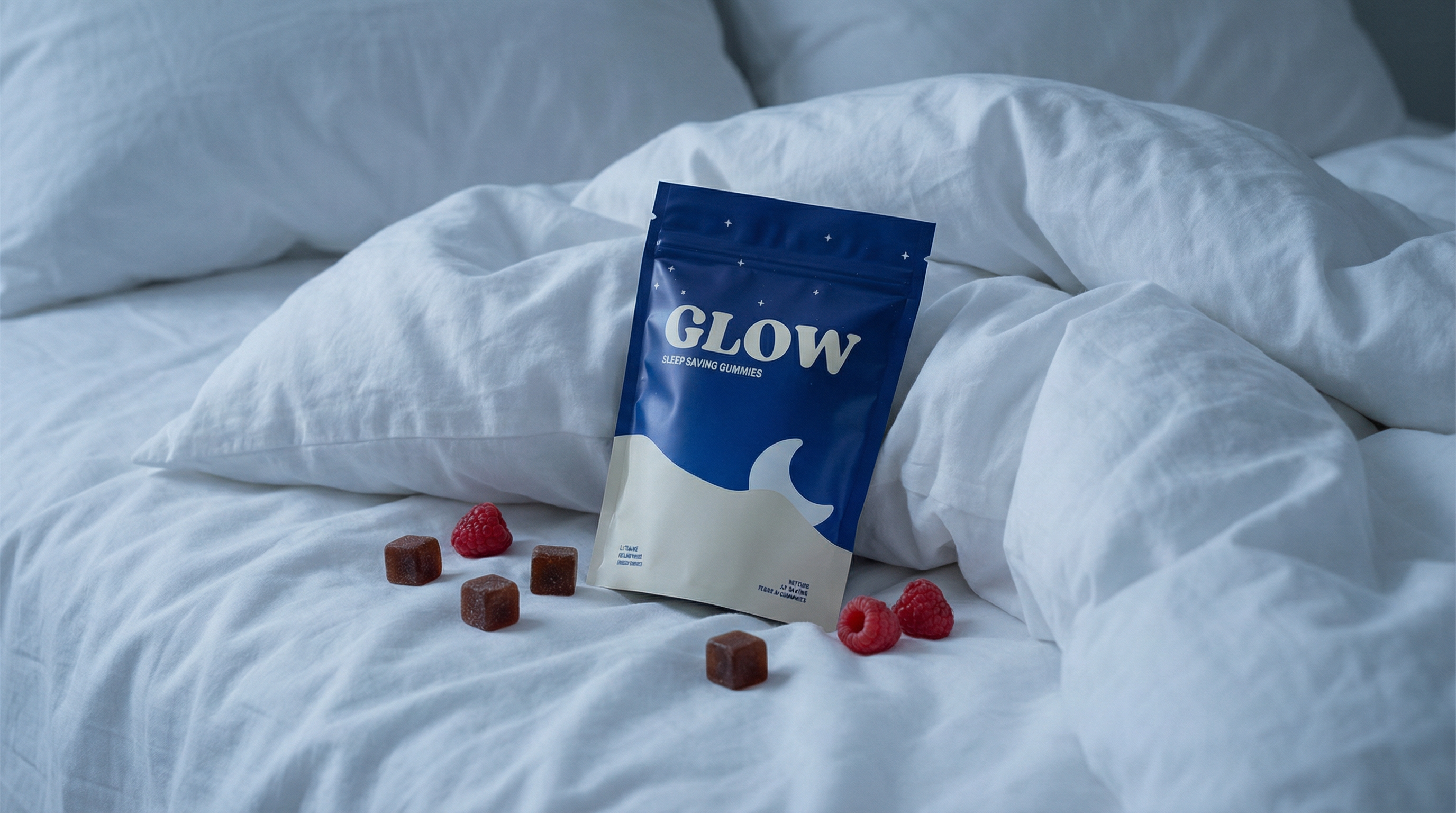

You might be lying in a dark room but your nervous system doesn’t know that.
After prolonged stress (deadlines, constant notifications, emotional load), your system adapts by staying slightly alert all the time. That alertness is powered by cortisol.
At night, cortisol should gradually fall so your brain can shift into parasympathetic mode your rest and repair state.
But if it stays elevated, your body doesn’t feel safe enough to switch off.
This is why you can feel tired in your muscles, but alert in your mind.
Melatonin can signal darkness but it doesn’t regulate stress hormones.
If cortisol is still high, you might feel sleepy… but not calm.
Sedation isn’t the same as nervous system safety.

Fight-or-flight isn’t always dramatic. Sometimes it’s subtle.
Slight chest tightness. Hyper-awareness of small sounds. Your mind scanning for unfinished tasks. Sudden spikes of “What if I don’t sleep?”
This is hyperarousal a stress response pattern linked to insomnia.
Your body isn’t broken. It’s stuck in alert mode.
This is why “knocking yourself out” often backfires.
You might fall asleep but wake at 2–3am, or feel half-awake, half-asleep.
You didn’t fix the alert signal. You just overrode it temporarily.
True rest requires shifting the nervous system not forcing unconsciousness.

A lot of women try something to make themselves drowsy. And sometimes it works - at first.
You fall asleep faster. But then 3:14am hits… and you’re awake again.
Because most sleep aids focus on sedation. They create sleepiness, but they don’t regulate cortisol, calm a stress-reactive nervous system, or help your body stay in rest mode.
That’s why you hear: “It helped me fall asleep… but I still wake up.” Or, “It worked for a while… then stopped.”
Sedation isn’t the same as nervous system downshift. You can make the body sleepy and still have an alert system underneath - especially in perimenopause, when hormonal shifts make your stress response more sensitive.
You don’t need stronger sedation.
You need better nighttime signaling.

If you’ve ever woken up feeling heavy, foggy, irritable, or slower than usual that’s often the sedation hangover effect people describe with traditional sleep aids.
Sedatives depress brain activity. But deep, restorative sleep isn’t the same as chemical suppression.
When you support the nervous system instead of forcing sleep, your body can transition into rest mode more naturally without disrupting normal sleep architecture.
You’re less likely to wake feeling drugged or half-rested.
The goal isn’t unconsciousness. It’s regulation.
There’s a difference — and your body knows it.

If your system has been running in low-level fight-or-flight for months (or years), it won’t recalibrate overnight.
This is where many people quit too early.
They try something for a few nights. If it doesn’t knock them out instantly, they assume it failed.
But nervous system regulation is a retraining process.
When you consistently support calming pathways over 2–4 weeks, your body can begin to relearn that nighttime is safe.
Glow doesn’t replace your sleep system it supports it.
Consistency beats intensity.

Overall rating: 4.9 / 5 from 580 reviews.
Absolutely love them! Taking them for months and my summer tan has stuck with me the whole time :))

has only been a couple of weeks and I can see a difference in my face. It has a warm tan ish to it, just a warm tan rather than a dark tan, but its only been a couple weeks so im happy so far

I think we have all become a bit more aware of what might be causing damage to our bodies, UV blasting beds and damage from just being in the sun. These are such a sweet idea to make that easier for someone who wants a tan but hates the beds and is sun aware (maybe too much) K beaurty has preached it for years and they look beautiful so Im happy to do anything that pushes me to be healthier and safer!

pale girly here, I love these so much, cannot tan in the sun no matter how hard i try so these have been amazing for me

havent tanned in about 6 months and ive still go my summer tan look im impressed

Worked so good last summer!! I got sooooo tanned. Stocking up now for winter coming up!!

I am superrr pale and never tan easily and these gummies seriously helped!! Totally recommend if ur pale trying to get a bit more tan or just more tan in the summer

Love these gummies so much. Tan is gorgeous and golden and means less time in the sun. And the taste is insanely delicious

I was pretty amazed to have actually seen a change, as I was skeptical these would actually work. 2-3 months on and im very happy

I'm very white naturally but with glow I get a nice natural looking tan

I’ve been using the gummies now for six months and my tan is so great and is maintaining like it never has before :-)

Glows done it again! I’ve never tried any sort of sleep aid ( pretty agasint sleep pills and pills in general actually ) although I do find it really hard to get to sleep, quickly that is, my brain is normally extremely overactive at night ( adhd brain ) but i loved the tanning and thought why not give it a go natural after all. they’re really amazing, after eating 2 I started feeling really calm got me all cozy like, hopped into bed and for the most part was quiet. Woke up and felt great. I’ve been using them since launch so just around a month now and this is my second pack I’m on now and won’t be giving them up anytime soon :))

can’t go to bed without them now

these gummies are seriously the easiest way to maintain colour all year. ive been using them through winter and my tan hasn’t fully disappeared like it normally would. tastes delicious and zero hassle. completely worth it

helps my stress heaps, not just sleep

i have super sensitive skin so fake tan irritates me but these gummies have been perfect. gentle on my stomach, taste great, and after a few weeks i’m seeing such a cute glow. it’s natural looking too which is what i prefer. very happy with my purchase

Takig them for 3 weeks to help stop me waking up alot during the night. They have worked on me wonders. Cola is just a treat too. Thanks.

Was amazing and tasted so good.

loving the gradual results from these. it didn’t hit me until i compared old pics and realised how much warmer my skin looks now. plus they feel like mini treats which makes taking them fun. no weird supplement taste at all just yummy gummies that give you a tan

I'm absolutely loving them 💕

ive been taking tanning gummies for about 7 weeks now and the biggest change ive noticed is how even my skin tone looks. usually my legs stay super pale but now they have a soft bronze that matches my arms more. tastes amazing too which helps so much with staying consistent

Tastes amazing, honeslty didnt think these would do anything great for me but i genuinely felt so relaxed, very very surprised :)

Sleep feels deeper, body feels more relaxed

was skeptical at first because supplements never taste nice but these surprised me. flavour is amazing and the glow i’ve been getting is so natural. i don’t look orange or weird just slightly bronzed which is exactly what i wanted. takes consistency but it definitely works

Been taking for 2 weeks and honestly can’t remember last time I felt this rested, felt so relaxed i could swear there was melatonin in them, nah haha!

Glow nailed it. calm nights, fresh mornings, love them

would normally take days and days to get a nice tan and then lose it in a matter of weeks glow has helped so much, my face has a nice glow true to the brings out your natural tan almost :))

Never thought wed get to a day where we can eat our tan hahah. Theyre soooo yum its hard to actually stop eating them

Love them, it was pretty gradual and honestly didnt think theyd work but took some photos and I can definitely see a glow forming

so cool, who knew you could tan from these yummy gummies, have been taking them longer than expected but am happy with the results ;)

Glow has been great, im super surprised how good they have actually been. I have been taking them since early this year which may have helped but my tan has stayed all year around even through winter, since jumped on the subscription deal which makes it even better, couldn't recommend enough

first off wow they are so yummy i have been eating fglow for around 8 weeks and they have been great. i have definitly noticed a tan coming through, i pair this with getting outside as much as i can and i usuallly dont tan quick or much and i have noticed that these actually help with that. love love love, im all about health and suppliments and was so happy to see these come up :)))

amazing product. subtle glow that creeps up on you but once you notice it you cant unsee it. tastes like candy and so easy to remember every day. excited to keep using them

didnt expect to love these as much as i do. theyre delicious and actually help me keep colour way longer. been using them in summer too and they just boost my tan even more. so impressed

i don’t get outside much because of my job but these gummies still give me that warm tone i miss. taste is incredible and so much easier than dealing with self tan. 100 percent buying again

been using for about 2 months and the difference is crazy. my arms look so bronzed compared to before and my face has this healthy golden look. the gummies are chewy and soft and super easy to eat. definitely sticking with them

Thought I’d take a before photo just to see if I can get some results… although not noticing as I ate Glow Gummies daily, looking back at the before photo to the after 8 or so weeks photo you can definitely see the slight under glow. Very happy with this! I didn’t expect a super dark tan but a natural glow is definitely what I got :)

I don’t have many before photos but let me tell you!! I’ve eaten them everyday for 4 weeks and was ready to give up but boom!! In 6-7 weeks I started noticing differences (I hadn’t tanned outside since) I saw a light tone coming on, so consistency is key, keep using them and you will see the benefits. I’ve been out tanning since getting the most of the sun that’s slowly leaving 😟 but Glow will keep that tan going for heaps heaps longer! So exciting and happy…

tanning and being tan is my personality and I hate not being able to tan in the winter, these are going to be great! can’t wait to start seeing results :)))

Loading up for the non summer months, already im liking the results I don’t tan often but I’m seeing my skin getting tanner, if nothing this will help hold my tan for the winter months